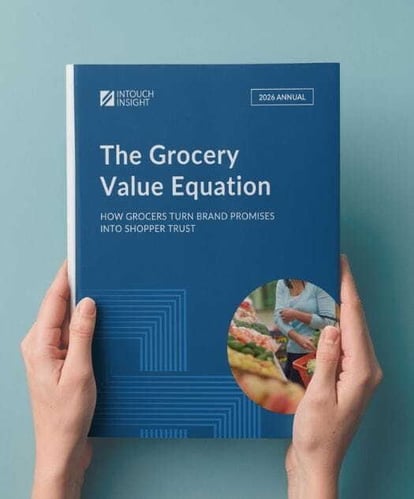
Grocery Value Study 2026.
Download Intouch Insight’s 2026 Grocery Value Study to discover how grocers turn price promises into shopper trust across in-store and digital experiences.
The report examines what value means beyond the price tag; revealing where grocers are delivering, where execution gaps weaken the experience, and why availability, pricing reliability, loyalty, and employee support shape how shoppers perceive value.
Research Methodology: How we collected the data
Leveraging our network of mystery shoppers, we conducted 302 in-store mystery shops across 15 grocery chains and 175 digital and curbside pickup shops across 13 chains. This research is designed to generate directional insight for multi-location grocery operators, helping them better understand how pricing, product availability, promotions, loyalty programs, service interactions, and digital fulfillment collectively influence shopper perceptions of value.
-
Benchmark Performances
To contextualize grocery performance, Intouch Insight benchmarked findings against recent mystery shopping and customer experience research across retail and service industries, including quick-service restaurants, convenience retail, and pizza. These benchmarks show where grocery experiences align with broader expectations, and where gaps in service, speed, transparency, and trust are more category-specific.
-
No. of Mystery Shops
The study included 477 mystery shops: 302 in-store visits and 175 digital and curbside pickup experiences.
-
Basket Evaluated
Mystery shoppers purchased five common grocery staples: white bread, eggs, milk, spaghetti, and bananas. They recorded the lowest regular prices and gathered supporting evidence, including receipts, screenshots, and photos.
-
Markets
The research covered markets across the Midwest/Mid-Atlantic, Southeast, Texas, Southwest, and Northeast regions of the United States.
-
Brand Mix
In our 2026 report, we evaluated 15 grocery chains across a range of formats and price positions.
Inside the report: What delivers value, where gaps remain, and what grocers should prioritize.
The study provides actionable data to help grocery operators strengthen value delivery across the entire shopper journey—from weekly ads and store-brand availability to loyalty activation, digital pricing, pickup, and frontline service.
Product availability makes a price feel real
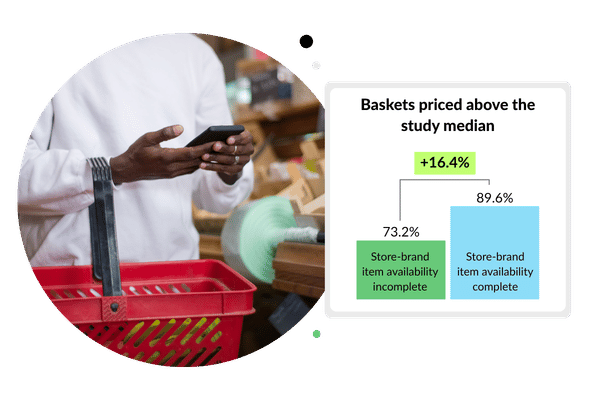
A strong price only matters if shoppers can find the item they came for. For higher-priced baskets, full store-brand availability was associated with a 16-point increase in perceived value.
Download the full report to learn how availability, promotions, and basket price shape value perception.
Pickup performs operationally but pricing weakens trust
Digital grocery pickup delivers reliably on speed and order fulfillment, creating a strong baseline experience for shoppers.
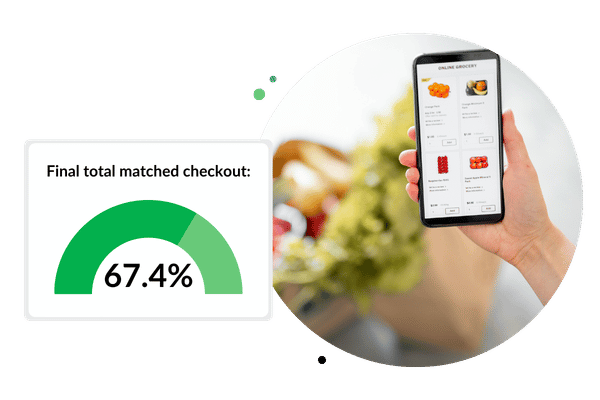
However, the final charge matched the checkout total in only 67.4% of shops, reflecting factors such as substitutions, estimated weights for produce, and promotions not carrying through to the final receipt; inconsistent disclosure of fees and minimum-order requirements can add further uncertainty.
Download the full report to explore how pricing transparency affects trust.
Loyalty is not fully activating value
Grocery retailers are investing in loyalty programs, but this touchpoint is not consistently shaping the shopper experience.
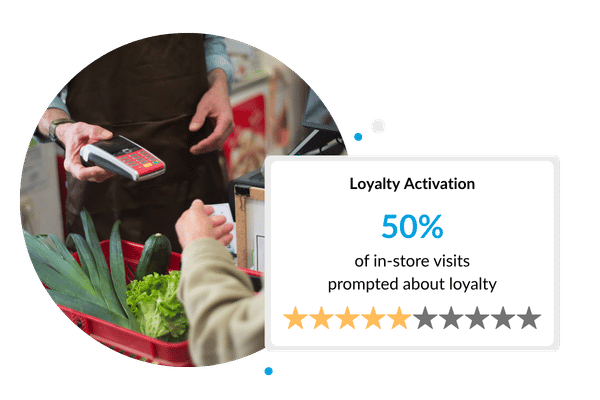
Loyalty programs were only mentioned in 50% of eligible transactions.
Download the full report to see how loyalty prompts can make value easier to access.
Frequently Asked Questions
-
What is the Grocery Value Study?
The 2026 Grocery Value Study examines how grocery retailers turn price promises into shopper trust. It identifies the in-store and digital execution factors that shape value perception, including product availability, promotions, loyalty, service, pickup and pricing transparency.
-
How was the study conducted?
Intouch Insight completed 302 in-store mystery shops across 15 grocery chains and 175 digital and curbside pickup shops across 13 chains. Mystery shoppers purchased five common grocery staples and documented prices, availability and execution using receipts, screenshots and photos; these observations were supplemented by consumer survey findings and cross-industry benchmarks.
-
What topics are covered in the report?
The report examines grocery pricing, promotions, weekly ads, product availability, private-label options, loyalty programs, employee interactions, and checkout. It also explores digital grocery ordering, fees, substitutions, order accuracy and curbside pickup.
-
Does the study examine both in-store and online grocery shopping?
Yes. The Grocery Value Study evaluates both physical stores and digital grocery experiences, allowing readers to explore how value is delivered across the customer journey—from planning and product selection to checkout and pickup.
-
Which grocery markets were included in the research?
The study covers grocery chains operating across the Midwest/Mid-Atlantic, Southeast, Texas, Southwest and Northeast.
-
Who should download the Grocery Value Study?
The report is intended for grocery executives and professionals working in customer experience, operations, digital commerce, loyalty, merchandising, private label, and marketing. It's also relevant to teams responsible for improving consistency across stores, websites, apps and pickup programs.
-
How can grocery retailers use the report?
Grocery retailers can use the research to inform internal discussions, assess their measurement priorities and identify areas that may warrant closer evaluation. The report also offers a practical framework for turning industry research into operational action.
-
What is included in the downloadable report?
The full report includes mystery shopping and consumer survey data, comparisons between in-store and digital experiences, cross-industry context, and an actionable Value Execution Playbook.
