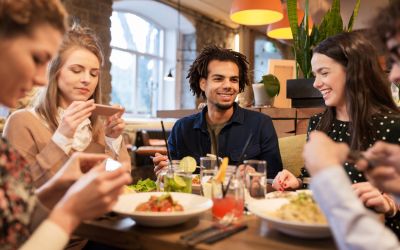
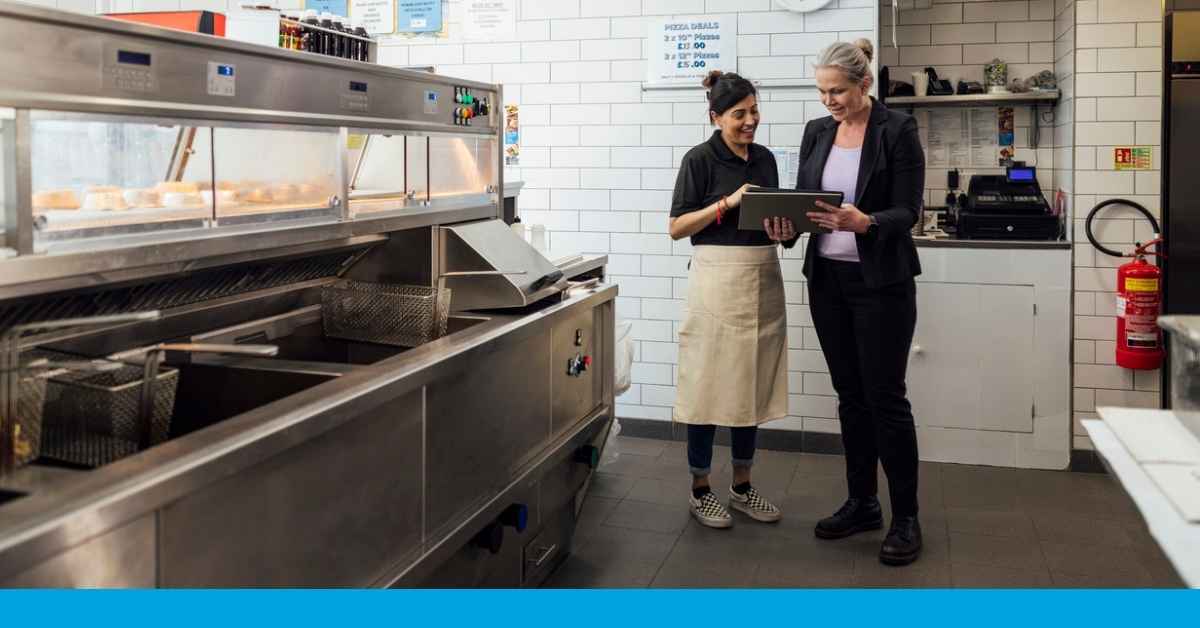
A great restaurant visit feels simple from the guest’s side: the order is right, the food tastes good, the wait feels reasonable, and the person serving them seems glad they showed up. Behind the counter, though, that “simple” experience depends on dozens of small operational moments working together.
For multi-location restaurants, the challenge is consistency. One location nails the greeting. Another location moves the line quickly but misses the special request. A delivery order arrives fast but lukewarm. A mobile order is accurate but not ready when promised.
That is where restaurant customer experience becomes measurable. With the right mix of mystery shopping, customer feedback, reputation monitoring, audits, and CX analytics, operators can see what guests actually experience and turn those insights into better service, stronger loyalty, and cleaner execution.
What is restaurant customer experience?
Restaurant customer experience is the complete impression a guest forms from every interaction with your brand, including discovery, ordering, payment, dining, pickup, delivery, staff interactions, issue resolution, and follow-up. The best restaurant CX feels easy, accurate, welcoming, and consistent across locations and channels.
That last word matters: consistent. Guests may forgive a single slow visit, but they lose trust when the brand feels different every time. In 2026, restaurant leaders are managing more channels than ever, from front counter to drive-thru to mobile order-ahead to third-party delivery. Each one carries the brand promise.
Why restaurant customer experience matters in 2026
Consumers are more selective about when restaurant visits are worth the spend. McKinsey reported that food away from home rose about 6% from January 2024 to September 2025, while food at home rose about 3% in the same period, making value perception harder for restaurants to protect.
Customer satisfaction benchmarks tell a similar story. The ACSI Restaurant and Food Delivery Study 2026 found full-service restaurants steady at 82 and quick-service restaurants steady at 79, but noted that guests are less forgiving when the experience feels inconsistent, slow, or misaligned with price.
For QSR and fast-casual brands, Intouch Insight's 2026 On-Premises Study adds a closer view of what happens at the counter. Across 753 mystery shops at 10 leading QSR brands, overall satisfaction reached 94.8%, yet human connection measures lagged: friendliness was 75.2%, greeting rate was 72.1%, and parting remarks were 72.6%. That means roughly one in four guests missed a simple moment of recognition.
7 ways to improve customer experience in your restaurant
Use this framework to move from broad CX goals to measurable frontline improvement.
1. Map the full guest journey
Start by mapping what guests experience across every channel:
- Dine-in or counter ordering
- Drive-thru
- Mobile order-ahead
- Pickup
- First-party delivery
- Third-party delivery
- Loyalty and promotions
- Post-visit feedback
- Online reviews
This prevents teams from over-focusing on one visible metric while missing friction elsewhere. A restaurant might have great counter service but poor mobile pickup readiness. Another might have strong delivery speed but weak food temperature control.
Intouch Insight’s 2026 Emerging Experiences Study found that mobile order-ahead averaged 92% satisfaction, but nearly 1 in 5 orders were not ready on time. That is a classic journey gap: the digital ordering experience works, but fulfillment can still disappoint at pickup.
2. Protect the basics: Speed, Accuracy, Quality, and Cleanliness
Guests may describe the experience emotionally, but many frustrations come from concrete misses:
|
CX Driver
|
What Guests Notice
|
What Operators Should Track
|
|
Speed
|
“This is taking too long.”
|
Wait time, service time, order readiness, perceived speed
|
|
Accuracy
|
“This is not what I ordered.”
|
Order accuracy, special request accuracy, missing items
|
|
Food quality
|
“This arrived cold.”
|
Temperature, taste, packaging, presentation
|
|
Cleanliness
|
“This location feels neglected.”
|
Restrooms, dining area, counters, kitchen-adjacent areas
|
|
Service
|
“They seemed rushed or indifferent.”
|
Greeting, friendliness, parting remark, problem handling
|
The 2026 QSR On-Premises Study found that perceived speed mattered sharply: when guests felt speed was slower than expected, overall satisfaction dropped from 96.7% to 76.9%. Speed is partly operational, but it is also emotional. A clear greeting, a visible handoff process, or a quick update can make the wait feel more controlled.
Order accuracy is just as unforgiving. The same study found 92.7% order accuracy, meaning roughly 1 in 13 orders still had an error, missing item, or incorrectly fulfilled special request. For a high-volume chain, that small percentage becomes a large number of disappointed guests.
3. Make friendly service a measurable standard
Friendliness sounds subjective until you measure it consistently.
In the On-Premises Study, friendly service corresponded with 98.9% overall satisfaction. Neutral service corresponded with 87.1%. Not-friendly visits fell to 31.2%. That is a huge spread for something as simple as eye contact, tone, acknowledgment, and warmth.
The 2025 Drive-Thru Study showed the same pattern in another channel. When drive-thru service was friendly, overall satisfaction reached 97% and order accuracy averaged 89%. When service was not friendly, satisfaction fell to 22% and accuracy averaged 70%.
Restaurants should define friendliness in observable terms:
- Was the guest greeted?
- Was the tone welcoming?
- Did the employee confirm the order clearly?
- Did the employee provide a parting remark?
- Did the guest know where to wait or what would happen next?
These are coachable behaviors. They also help managers talk about service quality without relying on vague feedback like “be nicer.”
4. Use technology to remove friction
Technology improves restaurant customer experience when it makes the guest’s job easier. Mobile apps, kiosks, loyalty programs, digital ordering, AI order-taking, and pickup shelves can all help, but only when the operational handoff is ready.
Mobile ordering gives guests more control over customization and review before checkout. In the 2026 QSR Emerging Experiences Study, mobile order accuracy reached 92%, matching the 2026 on-premises benchmark and outperforming the 2025 drive-thru benchmark.
Drive-thru AI is another example. We found that AI-enabled locations reported higher overall satisfaction than employee-driven orders, even with lower friendliness and order accuracy. The likely reason: speed and novelty created a positive perception. But customization remained a risk, with 62% of incorrect AI orders tied to modifications or special requests.
The lesson is straightforward: use technology where it reduces friction, then measure the experience in the field. A faster ordering flow still needs accurate fulfillment, clear pickup, and human backup when the order gets complicated.
5. Listen across surveys, reviews, and mystery shops
Customer feedback works best when each source has a job.
Connect customer feedback, online reviews, mystery shopping, and operational audits in one reporting view.
Customer surveys show how real guests felt after an experience. Online reviews reveal public themes and reputation risks. Mystery shopping captures whether the intended standards were actually followed. Operational audits and checklists show whether teams are executing the processes that support the guest experience.
Together, these methods create a richer picture than any one source can provide.
For example:
- Surveys may show lower satisfaction at dinner.
- Mystery shops may reveal missed greetings or slower handoff.
- Reviews may mention long waits and cold food.
- Audits may uncover staffing, prep, or cleanliness gaps.
That combination gives leaders something useful: a path from “guests are unhappy” to “here is what is breaking, where it happens, and how to coach it.”
6. Turn operational data into coaching
Data only improves restaurant customer experience when teams can act on it. Use CX data to identify the behaviors that matter most by location, daypart, channel, and team. Then translate those patterns into coaching moments.
- If dinner speed satisfaction lags, review staffing, prep, and line management for that daypart.
- If order accuracy drops during peak periods, simplify confirmation steps and check special request handling.
- If friendliness is low, coach greetings, tone, parting remarks, and guest acknowledgment.
- If delivery temperature is weak, inspect packaging, batching, handoff timing, and courier expectations.
Delivery is a good reminder that the restaurant experience often extends beyond the restaurant. In the Third-Party Delivery Report, accurate orders had 93% satisfaction compared with 48% for inaccurate orders. Orders arriving at the correct temperature had 91% satisfaction compared with 49% when temperature was wrong.
The guest does not separate kitchen execution, courier handoff, and app communication as neatly as internal teams do. They remember whether the brand delivered.
7. Use CX data to prioritize the next best action
Data only improves restaurant customer experience when it changes what teams do next.
That is why CX reporting should not stop at dashboards. The best programs help operators answer:
- Which locations are improving?
- Which locations are slipping?
- Which CX drivers have the biggest impact on satisfaction?
- Which issues need immediate action?
- Which training behaviors should managers reinforce this week?
- Which operational changes should be tested before scaling?
The IntouchCX™ Platform is designed for this kind of work: aligning operations to customer expectations, increasing operational efficiency, maintaining standardization, and helping teams act on real-time insights.
Restaurant customer experience metrics to track
|
Metric
|
What It Shows
|
Best Used For
|
|
OSAT
|
Overall satisfaction with the visit or order.
|
Executive scorecards and trend tracking.
|
|
NPS
|
Likelihood to recommend.
|
Brand loyalty and competitive benchmarking.
|
|
Order accuracy
|
Whether the order was correct and complete.
|
Kitchen, expo, drive-thru, pickup, and delivery improvements.
|
|
Speed of service
|
Actual and perceived time to complete the experience.
|
Daypart staffing, queue management, and wait communication.
|
|
Friendliness
|
How guests experienced frontline behavior.
|
Coaching, training, and culture reinforcement.
|
|
Greeting rate
|
Whether guests were acknowledged on arrival.
|
Front-counter standards and first impressions.
|
|
Cleanliness
|
Condition of dining room, restroom, counter, drive-thru, and pickup areas.
|
Operational audits and brand standard compliance.
|
|
Pickup readiness
|
Whether digital orders are ready, easy to locate, and clearly handed off.
|
Mobile order-ahead and off-premises performance.
|
|
Case resolution time
|
How quickly teams close the loop on known issues.
|
CX platform workflows and accountability.
|
Elevate Your Restaurant Customer Experience
Investing in customer experience is investing in long-term business success. Happy customers will return time and again, leave glowing reviews, and recommend their favorite restaurant to friends and family.
Intouch Insight's Restaurant Customer Experience solution is built for multi-location brands that need to turn CX measurement into consistent execution. It brings together mystery shopping, customer feedback, operational inspections, dashboards, alerts, case management, and analytics so leaders can move from insight to action.
Curious to learn how we help some of the most loved QSR chains get actionable CX insights and deliver great guest experiences at every touchpoint?
Reach out to us↓

 Sarah Beckett
 Sarah Beckett : September 26, 2026