
 Sarah Beckett
Is C-Store Foodservice Gaining on QSR Market Share?
 Sarah Beckett : June 30, 2025
C-Store foodservice is gaining ground on QSRs with made-to-order meals, rising freshness perceptions, and value-driven growth. See what’s behind the...
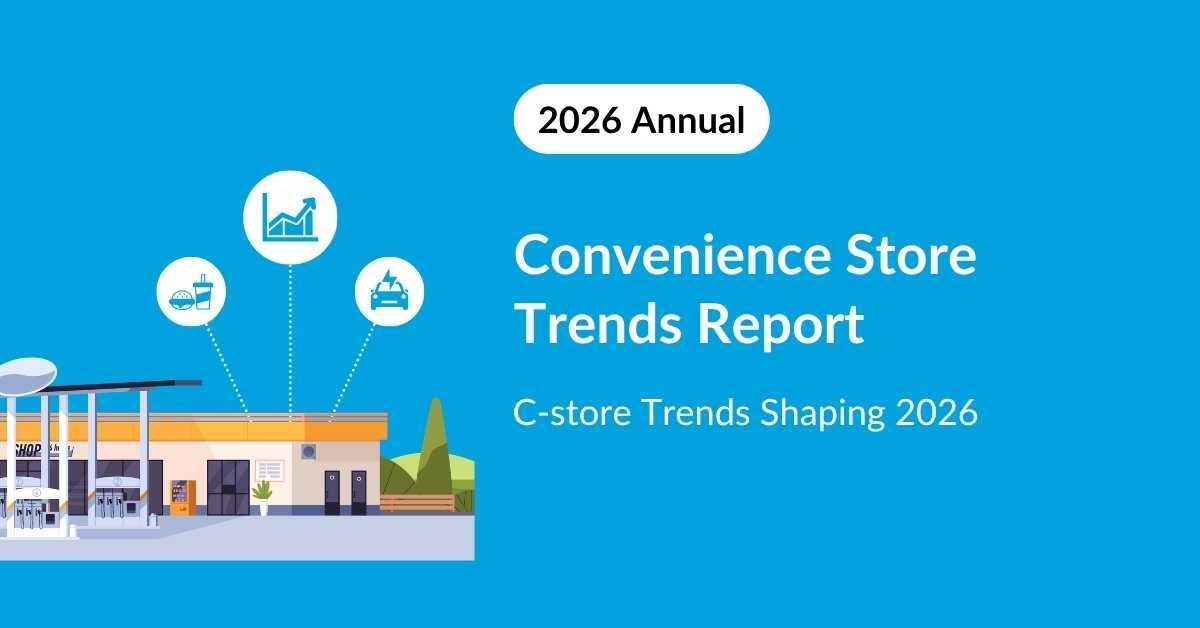
The modern c-store visit is getting harder to define.
One customer is there for coffee. Another wants lunch. Another is charging an EV, checking an app deal, using the restroom, and deciding whether this location is worth a 30-minute stop.
That is the real story behind this year’s c-store trends. Convenience stores are done with being seen as one fast transaction. They are being stretched across foodservice, beverages, health, loyalty, charging, and new store formats, all while operators face more pressure to execute consistently across every location.
The Intouch Insight 2026 C-Store Trends Report combines consumer survey data with mystery shopping and operational audit findings across major U.S. convenience brands. The report shows a channel that is growing quickly, but also becoming harder to operate well.
C-stores are winning new customer missions, but every new mission adds another place where execution can break.

These are the top convenience store trends that show a channel moving beyond fuel and packaged snacks into a more complex retail experience:
Foodservice has been a c-store growth story for years. In 2026, the story gets more competitive.
Our recent audit showed that almost 60% of c-stores visited were serving made-to-order food. That alone shows how far the category has moved. But the more interesting finding is about choice, as 58% of consumers said they would likely choose a brand over a closer competitor because of exclusive food items.
That changes the typical convenience store outlook.
For years, proximity carried the category. The closest stop had the advantage. Now, signature food can interrupt that habit. A customer may drive past their closest c-store for Casey's breakfast pizza, Wawa's custom hoagie, 7-eleven's Slurpee, or a limited-time item they can only get from one particular brand.
We’re also seeing more appetite for variety. 60% of consumers said they were interested in purchasing international or culturally diverse food profiles from a convenience store. Millennials and Gen Z, for instance, are heavily influencing demand for more adventurous condiment options, from flavored ketchup and Asian sauces to Tajín.
This shows that customers are more open to treating c-stores like food destinations and not just a grab-and-go, giving brands a chance to create a cultural identity around their food offerings.
But a signature item only works if it is available, fresh, accurate, promoted correctly, and delivered the same way across locations.
That is the new foodservice test for the convenience store industry: whether they can make meals feel dependable enough to become part of the customer’s routine. This may be the biggest possible leap in their competition with quick-service restaurants (QSRs).
Beverages may be one of the most practical convenience store growth opportunities in the report.
Only 6% of surveyed consumers said they think of a convenience store first when they want a specialty drink. C-store brands are actually seeing that number as an opportunity.
In the past 30 days, 75% of surveyed consumers visited a convenience store at least once primarily to buy a beverage without purchasing fuel or snacks. The most common frequency was 2 to 3 visits, reported by 28% of respondents.
That means beverages are already driving trips. The brand association just hasn’t fully caught up yet.
We saw operators building out beverage programs with more customization and more premium features. Among observed beverage features, the top three were bean-to-cup coffee machines at 72%, flavor shot stations at 56%, and cold foam or sweet cream toppings at 44%.
Customization is becoming a big part of the beverage experience, too. 59% of consumers said the ability to customize their drink is important.
The old convenience basket was easy to understand: snacks, drinks, fuel, tobacco, lottery, and maybe a quick meal.
The 2026 convenience retail industry presents a fresh challenge to brands.
The C-Store Trends Report found that 30% of consumers increased their preference for high-protein options or smaller, portion-controlled food packaging at convenience stores over the last 12 months.
That shift connects to a broader health conversation, including the rise of GLP-1 users (roughly 1 in 8 U.S. adults reported using GLP-1 medications). The report notes that these consumers are not abandoning c-stores. They are shopping differently, with more interest in smaller single-serve items, hydration, freshness, quality, protein-forward snacks, and functional beverages.
For operators, this does not mean every store needs to become a health food store. It means the definition of convenience is expanding.
A customer may want a breakfast sandwich on Monday, a protein shake on Tuesday, a smaller snack on Wednesday, and a fountain drink on Friday. The same shopper can be health-conscious and indulgent depending on the day, the trip, and the need.
Trust is the bridge between those missions.
As c-stores lean further into fresh food and value meals, every visible cue matters. The report points to hygiene, transparency, and food safety as differentiators, noting that only 25% of shoppers currently trust c-store hygiene standards. At the same time, roughly 35% of consumers see quality improving, and 33% are noticing improved freshness.
Customers are becoming more willing to believe in c-store food quality. But they need proof at the store level. Clean floors, maintained restrooms, stocked shelves, fresh packaging, visible food safety practices, and well-kept beverage stations all shape whether the food feels credible.
See how a full-proof digital checklist for c-store management can solidify customer trust.
The standard c-store format is under pressure because one layout can’t serve every customer mission equally well.
When we asked consumers what amenities or services recently caused them to visit a convenience store beyond fuel or traditional packaged snacks, the top answers were coffee or fountain beverages at 54%, restrooms at 52%, lottery tickets at 27%, prepared foods or fresh meals at 27%, and loyalty offers or app deals at 26%.
Nearly 62% of Gen Z consumers said they would choose a brand over a competitor because of a loyalty program.
We’re also seeing the physical space shift. Some c-stores are leaning into the idea of becoming “third places,” giving customers a reason to stay longer with plush lounges, open kitchens, integrated bars, fireplaces, and more. In fact, 33% of the locations we visited had a designated indoor seating or dining area available for customers.
This c-store trend doesn’t mean every location needs seating, lounges, gaming, or restaurant-style layouts. It means every format needs a clear purpose.
A highway location might win on clean restrooms, safe lighting, food visibility, and EV charging. An urban store might win on speed, mobile ordering, checkout, and grab-and-go assortment. A food-forward flagship might need stronger standards around menu execution, seating, cleanliness, and digital ordering.
That’s where measurement has to get more specific.
A store designed for five-minute trips should not be measured exactly like a store designed for 30-minute dwell time. The guest mission is different, so the operating standard has to be different too.
EV charging is still early for many c-store operators, but the customer experience implications are already here.
Only 6% of the c-store locations we audited had EV charging stations. But 27% of consumers said they would be more likely to choose one retail location over another if it had an EV charging station.
An EV charging visit gives customers more time to notice everything: lighting, safety, charger instructions, food options, restroom quality, seating, Wi-Fi, cleanliness, and whether the store gives them a reason to walk in.
DC fast charging can take 20 to 40 minutes, which is a major shift from the traditional five-minute gas-and-go. Public charging is also growing, with Level 2 chargers rising from 153,247 in May 2025 to 175,104 in May 2026, and DC fast chargers rising from 55,210 to 72,493 over the same period.
Once the the EV infrastructure is everywhere, c-stores will see it as dwell-time opportunity. A way to get the waiting driver into the store to buy food, browse the store, or join the loyalty program.
That means the EV stop needs to be measured like a full customer journey. Targeted mystery shopping programs can evaluate every step: arrival, visibility, charger condition, ease of use, lighting, safety, restroom experience, food and beverage appeal, checkout, and overall comfort.
Discover how mystery shopping can help you evaluate the effectiveness of your convenience store technologies
The convenience industry is growing, but it’s also getting more complex.
U.S. convenience store industry sales reached $817.5 billion across 151,975 locations in 2025. In-store sales reached $341.2 billion, marking the 23rd consecutive year of in-store sales growth. Foodservice now accounts for 28.5% of total in-store sales.
Take Sunoco’s $9.1 billion acquisition of Calgary-based Parkland Corp., which created the largest independent fuel distributor in the Americas. A deal like that does more than add locations. It adds new markets, Canadian brands, food partnerships, operating systems, and customer expectations that all need to work under a consistent standard.
The larger the network, the more individual store execution determines whether the investment actually reaches the customer. For instance, a new menu doesn’t matter if the item isn’t available at lunch. A beverage station doesn’t matter if the syrups aren’t replenished regularly. And a glitching EV charger does nothing to drive in-store visits.
That’s why consistency is becoming the real competitive advantage.
Every location doesn’t need to look identical. But every location does need to deliver on the promise of its format, its customer mission, and its brand standards.
See how we helped Parkland Corporation use mystery shopping to gain clearer visibility into customer service execution across its sites.
Put together, these convenience store trends point to one thing: the modern c-store is becoming more difficult to evaluate and manage.
That’s why measurement has to evolve with the format.
Intouch Insight's mystery shopping programs help c-store brands see what customers actually experience across their locations, from service and cleanliness to foodservice, beverage stations, loyalty prompts, restrooms, and forecourt execution. The biggest gaps are often the ones operators can’t see from the top.
After working with 6 of the top 10 petro-convenience chains, we know one thing for certain: real progress starts with the right measurement.
Want to see how these trends are playing out across your own locations?
Fill out the form below to try our mystery shopping program. ↓
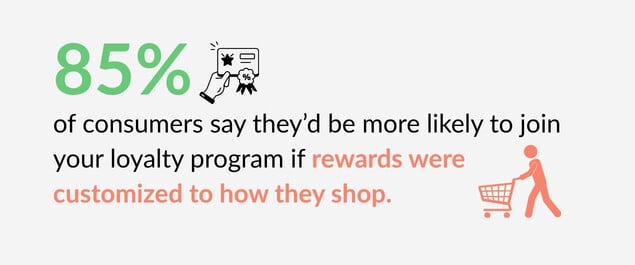
Our 2025 Convenience Store Trends Report looked at how tech, shifting customer habits, and growing competition from QSRs are pushing convenience stores to evolve, especially around fresh food, stronger value, personalized rewards.
Want to compare how key trends have shifted? Read the full 2025 Convenience Store Trends Report.
 Sarah Beckett : June 30, 2025
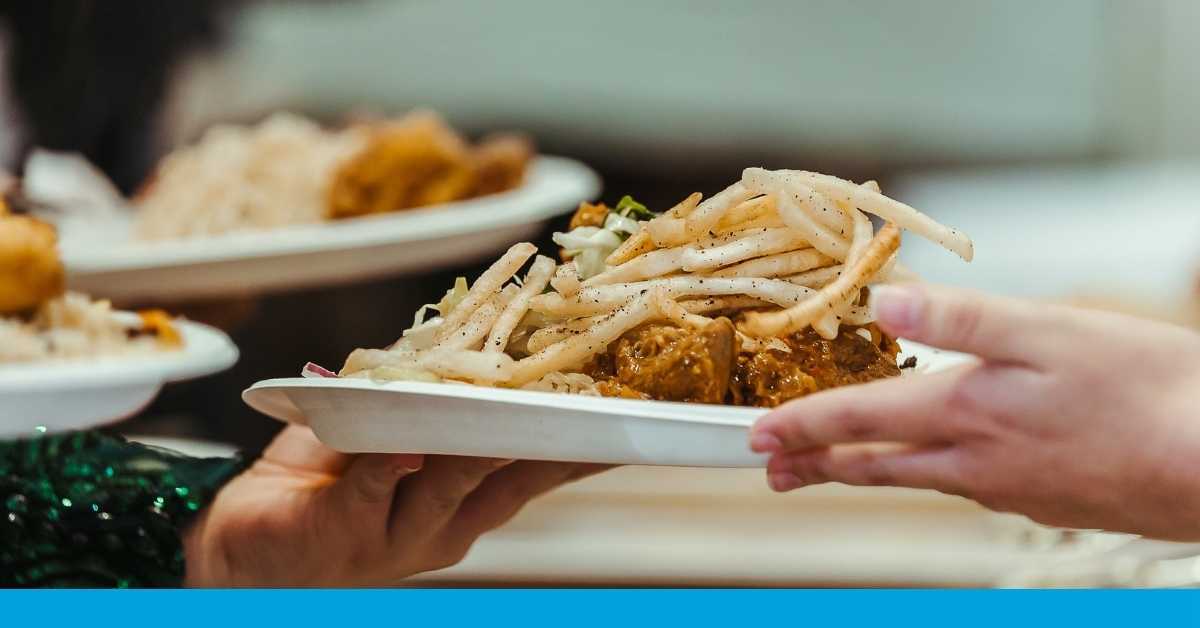
C-Store foodservice is gaining ground on QSRs with made-to-order meals, rising freshness perceptions, and value-driven growth. See what’s behind the...
 Sarah Beckett : September 24, 2024
Enhance customer experience at travel centers with insights on friendliness, cleanliness, and speed of service. Download the infographic now!
 Sarah Beckett : April 19, 2025
Discover how mystery shopping helps c-stores evaluate tech like self-checkout, mobile apps, and EV charging.